

Thailand BOI (Board of Investment): The Strategic Destination for German Businesses in a Changing Global Landscape
On June 27, 2025, I attended the event “Thailand: The Strategic Destination for German Businesses in a Changing Global Landscape” at the Wirtschaftsclub in Düsseldorf. The event brought together key stakeholders from government, industry, and trade to discuss opportunities, challenges, and best practices for German businesses looking to expand or invest in Thailand. Below is a summary of the main insights, drawn from the presentations and discussions, to help German businesses understand Thailand’s current economic landscape and strategic potential.

Thailand’s Economic Landscape
Strong Regional Player in ASEAN
- Thailand accounts for 13% of ASEAN’s GDP, making it one of the region’s economic powerhouses alongside Indonesia and Singapore.
- The country’s per-capita GDP in 2024 is around $7,500, placing it in the upper-middle income bracket within Southeast Asia.
Industrial Strengths
- The industrial sector is a major driver, contributing 25% of GDP, with Bangkok and the Eastern Economic Corridor (EEC) generating 60% of economic output1.
- Over 600 German companies operate in Thailand, spanning sectors such as automotive, chemicals, electronics, and food processing. Major names include Allianz, Bayer, Siemens, BMW, Mercedes, and BASF.
Thailand’s Key Target Sectors for German Companies
| Sector | Highlights & Opportunities |
|---|---|
| Food & Beverage | Largest exporter in Southeast Asia; strong government support for smart farming and food innovation1. |
| Chemical Industry | Largest petrochemical capacity in the region; incentives for bioplastics and pharmaceuticals1. |
| Electronics | Ambition to be a “Smart Electronic Hub”; tax incentives for FDI, especially in semiconductors1. |
| Automotive | Leading manufacturer in Southeast Asia; focus on electric vehicles with 8-year tax exemptions1. |
Opportunities and Incentives of The Thailand Board of Investment (BOI)
Investment Incentives
- The Thailand Board of Investment (BOI) offers a range of incentives, including tax exemptions (up to 8 years for EVs), support for R&D, and streamlined business procedures.
- Special focus is placed on high-tech industries, green technologies, and value-added manufacturing.
Trade Relations
- Germany is a key trading partner. Thailand offers competitive advantages for sourcing, including a skilled workforce, robust supply chains, and government support for international business partnerships.
Challenges to Consider in Thailand
- Structural Issues: Thailand faces challenges in climbing the value chain, with a need for more skilled labor and higher English proficiency. The country also has a shrinking and aging population, which is prompting automation initiatives1.
- Economic Growth: Projected growth rates for 2025–2030 are modest (1.8%–2.5%), the lowest in ASEAN, highlighting the need for innovation and diversification1.
- Debt Levels: High household and public debt (household debt at 90% of GDP) may constrain domestic consumption and investment.
- External Risks: High exposure to US tariffs, especially in electronics, and increasing competition from China and other emerging markets.
Best Practices for German Businesses in Thailand
- Leverage “Made in Germany”: German technology and quality are highly regarded, especially in machinery, automotive parts, and precision tools.
- Focus on Medium Technologies: There is strong demand for technologies that match the current development level of Thai industries.
- Explore Incentives: Take advantage of BOI’s incentives, especially in targeted sectors like EVs, smart electronics, and green industries.
- Build Local Partnerships: Collaboration with Thai firms and institutions can help navigate regulatory environments and tap into local expertise.
Conclusion
Thailand remains a strategic destination for German businesses seeking to expand in Southeast Asia. Despite demographic and structural challenges, the country’s robust industrial base, government incentives, and strong trade relations with Germany offer significant opportunities. German companies that align with Thailand’s development goals—particularly in high-tech, sustainable, and value-added sectors—are well positioned for success.
This summary is based on presentations and discussions from the event, including data from GTAI, DITP, and the Thailand Board of Investment.

About the Author
About YS Global Search (YSGS)
YS Global Search was founded in February 2024 in Duisburg, Germany. Based on our vision, mission and values, we provide the best talent acquisition experience to our clients and the best career consulting experience to our candidates. We specialize in headhunting and executive search for local management positions in Europe, especially Germany. We are not just a recruitment company that delivers a pool of candidates to our clients and a job to our candidates. We promise to be a business partner to our clients, enhancing and strengthening their organization through the introduction of experienced and professional talent. We also promise to be a lifelong career development partner to our candidates, supporting their growth and satisfaction throughout their career milestones.
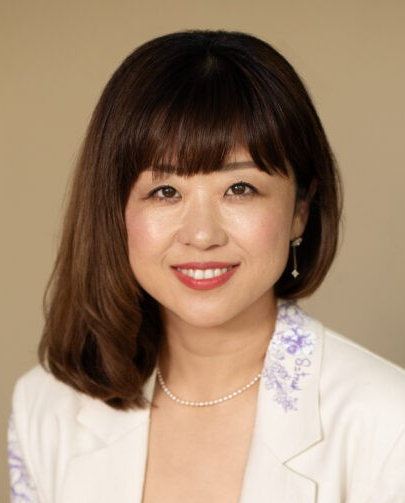
Yu Shimokawa
- International Executive Recruitment Specialist for local management placements in Germany
- 15 years of experience as executive search, recruitment, and headhunting consultants in
- Tokyo, Japan for 1 year
- Bangkok, Thailand for 10 Years
- Düsseldorf, Germany for 4+ Years
- Currently based in Duisburg, Germany

