9 Latest Recruitment Trends in Berlin (Business Trip to Berlin)
I went on a business trip to Berlin over the weekend of 25-27 October. I have been researching the business and recruitment trends in Berlin. Let’s discover 9 key recruitment trends in Berlin and the challenges facing the market!

Yu Shimokawa
- International Executive Recruitment Specialist for local management placements in Germany
- 15 years of experience as executive search, recruitment, and headhunting consultants in
- Tokyo, Japan for 1 year
- Bangkok, Thailand for 10 Years
- Düsseldorf, Germany for 4+ Years
- Currently based in Duisburg, Germany
Table of Contents
Business trip to Berlin
Meeting with a Japanese client in Berlin at Reichstag
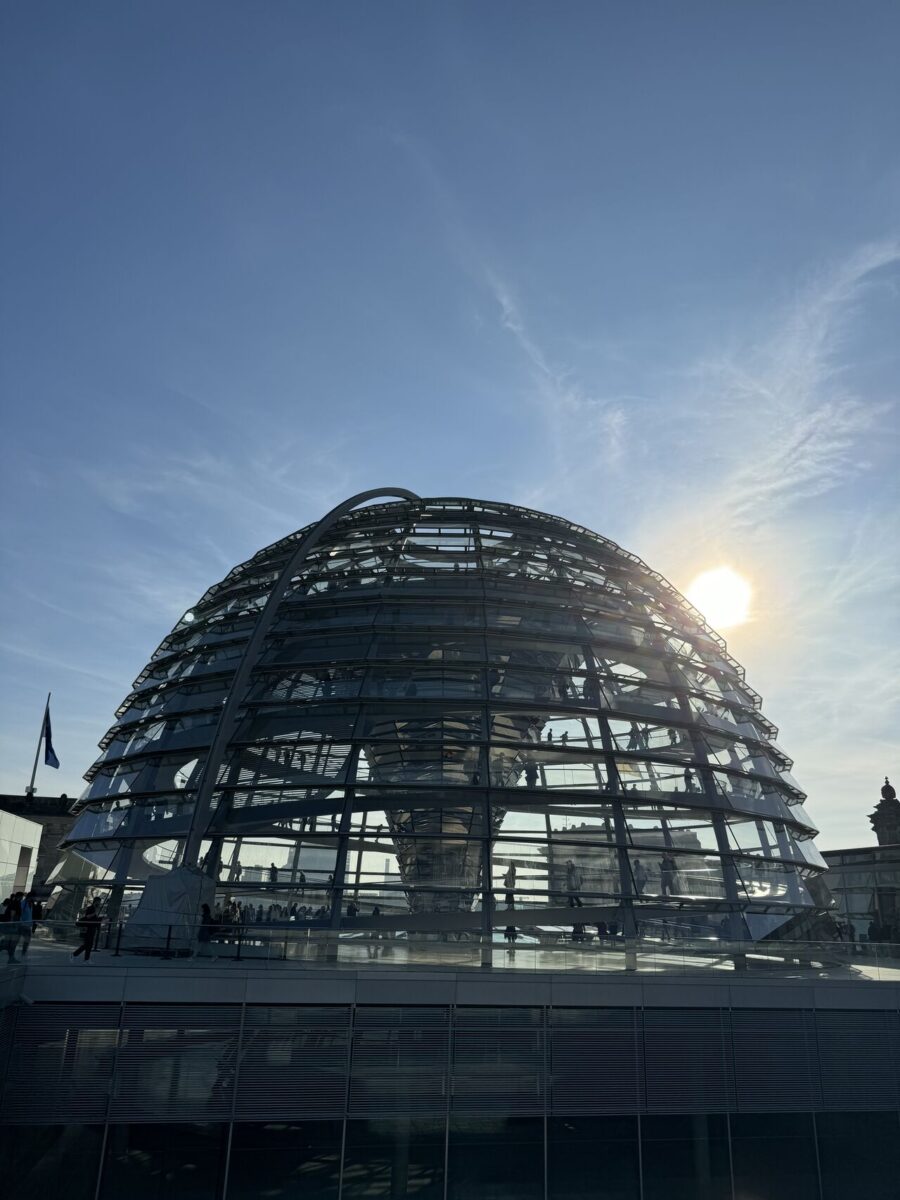
I had a lunch meeting at a restaurant in the Reichstag, the German parliament building, with a new customer who was introduced to us in Japan. As the client was from a construction company, I chose a restaurant on the roof of the Parliament building, the only one in the world open to the public and with an impressive glass dome, which was renovated and designed by the world-famous architect Norman Foster. To enter the building, we entered the building after a strict security procedure, which included registering our personal details in advance and presenting our passports when entering. Fortunately, the weather was very nice and the temperature was about 16°C, which is warm for Germany in autumn, so we took off our jackets and walked up and down the spiral staircase of the dome to get a panoramic view of the city of Berlin.
Face to Face meeting with my placed Candidate
Many Japanese companies are located in Dusseldorf, Frankfurt and Munich, and although Berlin is the capital of Germany, there are still very few Japanese companies with offices in Berlin. However, Berlin is also close to Eastern Europe, where start-ups and international companies gather, and there are many freelancers and artists who are active on their own. In the evening, I had dinner with my placed candidate about 3 years ago. Since I introduced the job during the Corona time, we had only been able to communicate online for last years, but I was very happy to meet him for the first time in person and hear how he is currently working for the company I introduced him to. After Corona, I was able to do all my work online, but I was still very happy to have the opportunity to talk directly with clients and candidates face to face, and to discuss my future career and support them in their business. It was a moment that made me feel the satisfaction and significance of my job as a recruiter.
Business overview in Berlin
Berlin is home to a significant number of companies with their headquarters located in the city. As of the latest data, there are approximately 350,262 companies headquartered in Berlin1. This includes a diverse range of industries, from tech start-ups to large multinational corporations.
Why do start-ups choose Berlin for their headquarters?
Start-ups are increasingly choosing Berlin as their headquarters for several compelling reasons:
- Large Talent Pool: Berlin attracts a diverse and highly skilled workforce from around the world. The city’s international atmosphere and numerous universities and research institutions provide a steady stream of talent. You can hear many different languages in Berlin. Although it is the capital of Germany, I heard English the most, followed by German. There are also many Spanish, Arabic, French, Dutch and other speakers. International talents come together in Berlin, using their multilingual skills and talents.
- Access to Financing: Berlin offers generous financing opportunities for start-ups. In recent years, start-ups in Berlin have absorbed a significant portion of venture capital in Germany, making it easier for new businesses to secure funding.
- Cost of Living and Office Space: Compared to other major European cities like London or Paris, Berlin has a relatively low cost of living and affordable office space. This makes it an attractive option for start-ups looking to minimize expenses while scaling their operations.
- Supportive Ecosystem: The city has a vibrant start-ups ecosystem with numerous incubators, accelerators, and coworking spaces. Additionally, government policies and initiatives, such as funding programs and business support services, make it easier for start-ups to establish and grow their businesses.
- Central Location: Berlin’s central location in Europe provides easy access to other major markets and cities. This geographical advantage is beneficial for start-ups looking to expand their reach across Europe.
- Innovative Culture: Berlin is known for its spirit of innovation and creativity. The city’s dynamic cultural scene and openness to new ideas create an environment where start-ups can thrive.
- Quality of Life: Berlin offers a high standard of living with a rich cultural life, excellent public services, and a cosmopolitan atmosphere. This makes it an attractive place for entrepreneurs and their employees to live and work.
Recruitment Trends in Berlin in 2024
1. High Demand for Tech Talent
Berlin continues to be a major hub for tech companies and start-ups, leading to a high demand for skilled professionals in software development, data science, and cybersecurity. The city’s vibrant tech scene attracts both local and international talent.
2. Focus on Green Jobs
Sustainability is a significant focus in Berlin’s job market. There is increasing demand for professionals in renewable energy, environmental engineering, and sustainable urban planning. This trend is driven by both regulatory requirements and corporate sustainability goals.
3. Remote and Flexible Work
The trend towards remote work remains strong. Many companies in Berlin offer flexible working arrangements, including hybrid models and flexible hours, to attract and retain talent. This flexibility is highly valued by employees.
4. Diversity and Inclusion Initiatives
Companies in Berlin are prioritizing diversity and inclusion (D&I) initiatives. Efforts to hire from underrepresented groups and create inclusive workplaces are becoming more common, reflecting broader societal changes and corporate values.
5. Employee Well-being
Employee well-being is a top priority. Companies are investing in mental health resources, wellness programs, and initiatives to improve work-life balance. This focus helps attract talent and reduce turnover.
6. AI and Data Analytics in Recruitment
The use of AI and data analytics in recruitment processes is increasing. These technologies help streamline hiring, from sourcing candidates to assessing applications. Predictive analytics are also used to improve employee retention by identifying potential issues early.
7. Skills Shortages and Upskilling
Despite the influx of talent, Berlin faces skills shortages in certain areas, particularly in tech and engineering. Companies are addressing this by investing in upskilling and reskilling programs to develop the necessary skills within their existing workforce.
8. Economic Challenges
Economic conditions, including high inflation and fluctuating energy prices, are influencing recruitment strategies. Companies are being more strategic in their hiring, focusing on roles that are critical to their growth and sustainability.
9. Employer Branding
With the competition for talent intensifying, employer branding has become crucial. Companies are focusing on building strong employer brands to attract and retain top talent. This includes showcasing their company culture, values, and career development opportunities.
Please do not hesitate to contact us if you have any questions regarding recruitment in Germany/Europe. We will be happy to provide you with the latest market trends and information based on our own recent recruitment experience.