I am pleased to announce that I will be participating as a panelist in a panel discussion at a seminar organised by #NRW.Global Business Japan (#NRW Trade & Investment Promotion Agency Japan, Germany) on Tuesday 12/12 from 14:30 Japan time in Tokyo!
Although it is a face-to-face event, I will be participating online from Germany (I will definitely participate in person next time!).
I will be sharing the latest information from my position as a Duisburg, NRW-based recruiter of local management personnel for Japanese companies in the region!
If you are in Tokyo, please click on the link below to join us!
We look forward to talking with you on the day 😊.
We have been approached by Fabian Hoshino, a former en world colleague who is now working for EY Strategy and Consulting. Thank you for this wonderful opportunity. I am also honoured to be working with Dr Carolina Kawakubo through this event! I believe this will be a very useful event for Japanese companies who want to expand their business in Europe and for Japanese SMEs who want to expand their business in Europe in the future. For more information and to register, please click on the link below!
Date: Thursday, 12 December 2024, 14:30-16:30 (Registration from 14:15) Venue: Andaz Tokyo Rooftop Studios (Toranomon Hills Mori Tower 52F) Access: https://restaurants.andaztokyo.jp/jp/access Language: Japanese Free of charge * This is a face-to-face event Capacity: 50 Application deadline: 6 December (Fri)
Global Business Japan (NRW Trade & Investment Promotion Agency NRW, Germany)
Innovative strategies and an international perspective are required for Japanese small and medium-sized enterprises (SMEs) to become more competitive in the global market. In this workshop, experts from Japan and the German state of NRW will provide concrete solutions and practical advice on the challenges faced by companies looking to expand globally, based on best practice from both countries.
Through a Japanese market-based perspective and NRW success stories, the seminar will delve deep into recruitment strategies, organisational culture adaptation and effective change management practices. In particular, experts from NRW will share with you the latest labour market information and insights into recruitment in Germany, which will provide useful insights for Japanese companies. There will also be networking opportunities for direct exchange of views between Japanese and German experts and other attendees.
This is a valuable opportunity for small and medium-sized enterprises (SMEs) wishing to take their first steps towards overseas expansion to gain a wealth of knowledge and tips for growth. We look forward to your participation! This study session will provide specific information on the impact of new German and EU regulations on Japanese companies.
🎯 This workshop is a great opportunity to learn about international recruitment and network with business professionals who share the same goals.
Please join us and deepen your knowledge.
Target group: Japanese companies interested in doing business in Germany or planning to do so in the future.
📌 Main topics and issues:.
Challenges for Japanese companies in recruiting global talent and how to overcome them.
Strategies for attracting and retaining the human resources needed for global expansion
What are the cultural differences between the Japanese and German labour markets?
Best practices Japanese companies need to know in order to succeed in the German NRW market.
Please note that this event is a business event for people who belong to a company or other organisation, and if we cannot confirm your affiliation, you may not be able to attend.
📣 12/12(火)日本時間14:30〜東京にて行われる #NRW.Global Business Japan (#ドイツNRW州貿易投資振興公社日本法人) 主催のセミナーにパネルディスカッションのパネリストとして参加させていただくことになりました!
Please do not hesitate to contact us if you have any questions regarding recruitment in Germany/Europe. We will be happy to provide you with the latest market trends and information based on our own recent recruitment experience.
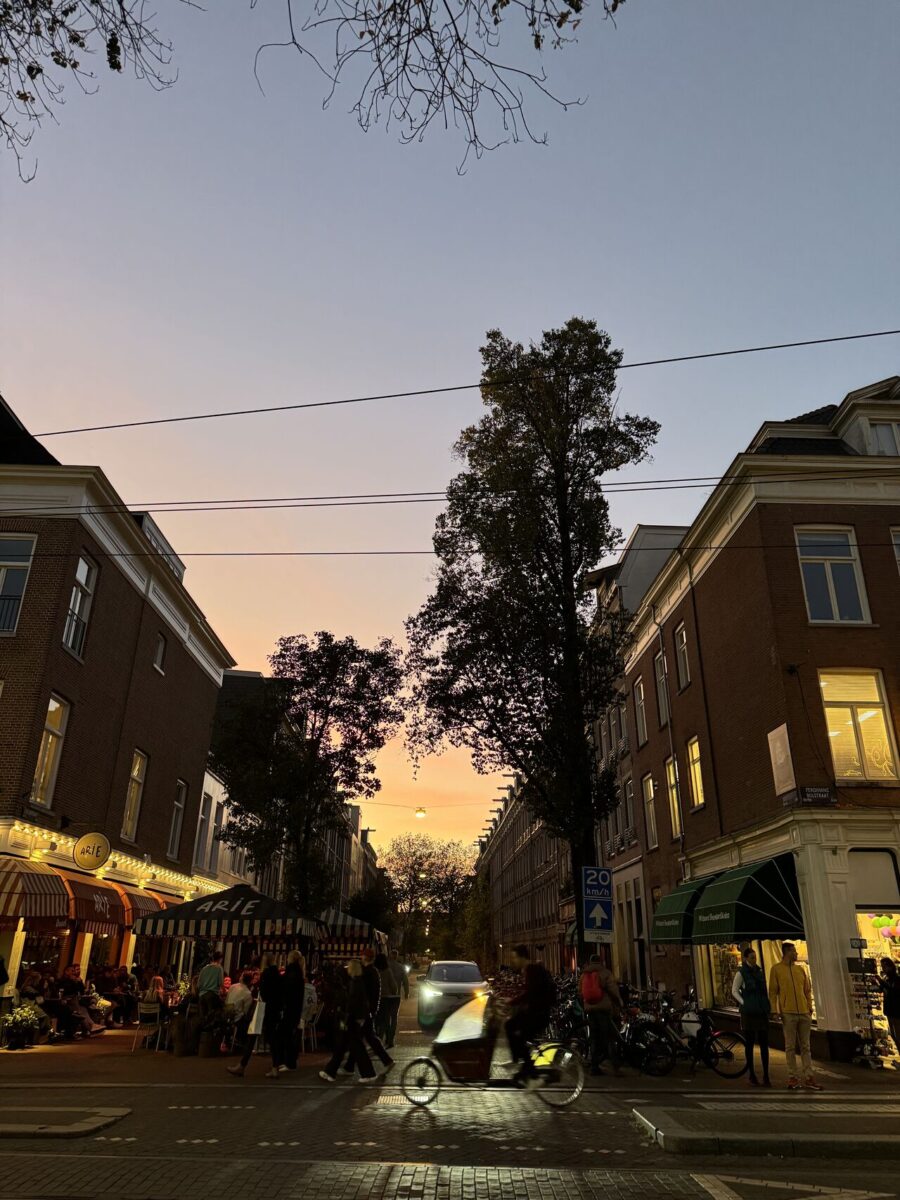
November 1st was a holiday in NRW, so I went to Amsterdam to use my time to expand YSGS business. This time I found a lot of attractiveness in Amsterdam. This time I met a potential client to be. This company has the European HQ in Amsterdam and I have maintained the strong relationship in Asia for more than 10 years. My client in Thailand introduced me to the managing director in Amsterdam 3 years ago, but I could not meet him in person due to the covid pandemic. I realized again that it is always better to have a face to face meeting to learn about the client, their business, people and values. The company is one of the largest Japanese hair cosmetic companies, manufacturing hair cosmetic products in Southeast Asia and distributing them all over the world. In Europe, I assumed that they mainly sell their products for professional use, but their main target were Asian, African or Arabic consumers who have dark coloured hair like us, Japanese. It was an interesting discovery and a great understanding of the client’s business and their business strategies.
There are 700 Japanese companies in the Netherlands, the fourth largest Japanese business community after Germany (1947), the UK (928) and France (820), according to the 2023 report of the Ministry of Foreign Affairs of Japan. I have found that Japanese companies are expanding more and more in the Netherlands and I would like to support their organizational growth through my recruitment services.
Yu Shimokawa
International Executive Recruitment Specialist for local management placements in Germany
15 years of experience as executive search, recruitment, and headhunting consultants in
The recruitment landscape in the Netherlands is dynamic and evolving, driven by labor shortages, technological advancements, and changing employee expectations. Key trends include according to the research by the Dutch Recruitment Group, Randstad :
Labor Shortages: High demand for skilled workers, especially in healthcare, ICT, and engineering.
In-Demand Professions: Roles in administration, agriculture, technology, and healthcare are particularly sought after.
Work-Life Balance: Increasing emphasis on flexible working conditions and meaningful work.
Sendcloud: A shipping platform for retailers. Founded in 2012, Sendcloud is a shipping platform that connects retailers with top-rated shipping carriers, making logistics easier and more affordable. The company has raised $200.9 million
Successful companies in the Netherlands use various strategies to attract talent:
Recruitment Agencies and Executive Search Companies: In the Netherlands, many companies leverage recruitment agencies to streamline their hiring processes and access a broader talent pool. These agencies offer expertise in matching candidates with the right skills and cultural fit, saving businesses time and resources. By utilizing extensive databases and networks, recruitment agencies can quickly identify and attract qualified professionals. They also provide valuable market insights, such as salary benchmarks and hiring trends, which help companies stay competitive. Additionally, recruitment agencies assist with compliance and legal requirements, ensuring that all hiring practices adhere to local labor laws. This partnership allows companies to focus on their core operations while efficiently building their teams with top talent.
Online Job Platforms: Utilizing job boards like LinkedIn and Indeed.
Networking and Referrals: Leveraging personal networks and employee referrals.
Job Fairs and Events: Participating in industry-specific events.
Accelerators and Incubators: Joining programs that provide access to talent.
Competitive Benefits: Offering attractive salaries, equity options, and flexible work conditions.
Government Initiatives: Utilizing fast-track immigration schemes for skilled workers.
Employer Branding: Building a strong company culture and brand.
Conclusion
The Netherlands offers a vibrant and supportive environment for businesses and startups. With its strategic location, skilled workforce, excellent infrastructure, and favorable business climate, it continues to attract and nurture innovative companies. Despite challenges like Brexit, the Dutch labor market remains resilient and full of opportunities for growth and success.
Please do not hesitate to contact us if you have any questions regarding recruitment in Germany/Europe. We will be happy to provide you with the latest market trends and information based on our own recent recruitment experience.
I went on a business trip to Berlin over the weekend of 25-27 October. I have been researching the business and recruitment trends in Berlin. Let’s discover 9 key recruitment trends in Berlin and the challenges facing the market!
Yu Shimokawa
International Executive Recruitment Specialist for local management placements in Germany
15 years of experience as executive search, recruitment, and headhunting consultants in
Meeting with a Japanese client in Berlin at Reichstag
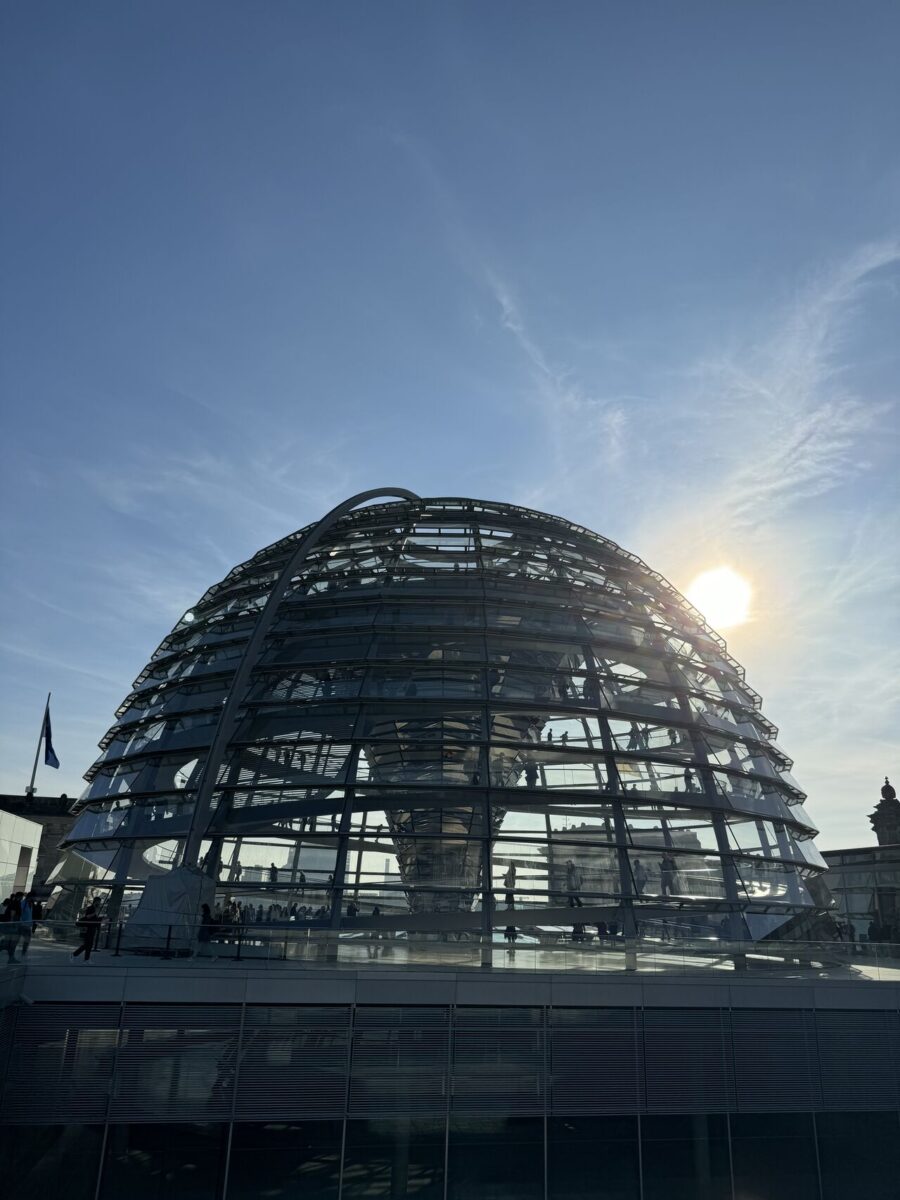
I had a lunch meeting at a restaurant in the Reichstag, the German parliament building, with a new customer who was introduced to us in Japan. As the client was from a construction company, I chose a restaurant on the roof of the Parliament building, the only one in the world open to the public and with an impressive glass dome, which was renovated and designed by the world-famous architect Norman Foster. To enter the building, we entered the building after a strict security procedure, which included registering our personal details in advance and presenting our passports when entering. Fortunately, the weather was very nice and the temperature was about 16°C, which is warm for Germany in autumn, so we took off our jackets and walked up and down the spiral staircase of the dome to get a panoramic view of the city of Berlin.
Face to Face meeting with my placed Candidate
Many Japanese companies are located in Dusseldorf, Frankfurt and Munich, and although Berlin is the capital of Germany, there are still very few Japanese companies with offices in Berlin. However, Berlin is also close to Eastern Europe, where start-ups and international companies gather, and there are many freelancers and artists who are active on their own. In the evening, I had dinner with my placed candidate about 3 years ago. Since I introduced the job during the Corona time, we had only been able to communicate online for last years, but I was very happy to meet him for the first time in person and hear how he is currently working for the company I introduced him to. After Corona, I was able to do all my work online, but I was still very happy to have the opportunity to talk directly with clients and candidates face to face, and to discuss my future career and support them in their business. It was a moment that made me feel the satisfaction and significance of my job as a recruiter.
Why do start-ups choose Berlin for their headquarters?
Start-ups are increasingly choosing Berlin as their headquarters for several compelling reasons:
Large Talent Pool: Berlin attracts a diverse and highly skilled workforce from around the world. The city’s international atmosphere and numerous universities and research institutions provide a steady stream of talent. You can hear many different languages in Berlin. Although it is the capital of Germany, I heard English the most, followed by German. There are also many Spanish, Arabic, French, Dutch and other speakers. International talents come together in Berlin, using their multilingual skills and talents.
The trend towards remote work remains strong. Many companies in Berlin offer flexible working arrangements, including hybrid models and flexible hours, to attract and retain talent. This flexibility is highly valued by employees.
Employee well-being is a top priority. Companies are investing in mental health resources, wellness programs, and initiatives to improve work-life balance. This focus helps attract talent and reduce turnover.
Please do not hesitate to contact us if you have any questions regarding recruitment in Germany/Europe. We will be happy to provide you with the latest market trends and information based on our own recent recruitment experience.
In the first half of 2024, the landscape of minimum wage rates across European countries presents a diverse picture. This blog post delves into the statutory minimum wages per month in various European nations, highlighting the disparities and providing insights into the economic conditions influencing these figures. This data is based on Trading Economics.
The variation in minimum wage rates across Europe is a testament to the diverse economic landscapes and policy approaches. While some countries offer high minimum wages reflecting their strong economies, others are still working towards improving their standards. Understanding these differences is crucial for policymakers, businesses, and workers alike as they navigate the complexities of the European labor market. Please contact us for any questions regarding recruitment in Germany/Europe.
Yu Shimokawa
International Executive Recruitment Specialist for local management placements in Germany
15 years of experience as executive search, recruitment, and headhunting consultants in
Luxembourg stands at the pinnacle with a monthly minimum wage of €2,570.93. This high figure reflects Luxembourg’s robust economy and high cost of living. Following closely are Ireland and the Netherlands, both offering a minimum wage of €2,146.30. These countries are known for their strong labor protections and high standards of living.
Mid-Range: Solid Standards
Germany and Belgium offer minimum wages of €2,070.12 and €2,054 respectively. These figures underscore the strong economic frameworks and social safety nets in place. France follows with €1,994.18, reflecting its commitment to maintaining a reasonable standard of living for its workers.
Wages in Germany have seen a significant increase, rising to €4,479 per month in 2023 from €4,244 per month in 2022. Over the years, wages in Germany have averaged €3,072.18 per month from 1991 to 2023, reaching an all-time high of €4,479 per month in 2023 and a record low of €1,832 per month in 1991 (source: Federal Statistical Office).
Wage Growth in Germany increased by 3.10 percent in the second quarter of 2024 compared to the same period in the previous year. On average, wage growth in Germany has been 0.28 percent from 1992 to 2024, with a peak of 3.80 percent in the first quarter of 2024 and a low of -5.40 percent in the third quarter of 2022 for last 5 years (source: destatis).
Average Gross Monthly Earnings in Germany for full-time employees in the industry and service sectors (excluding bonuses) have also shown notable trends:
2023: €4,479 (Men: €4,702, Women: €4,000)
2022: €4,244 (Men: €4,460, Women: €3,779)
2021: €4,100 (Men: €4,275, Women: €3,699)
2020: €3,975 (Men: €4,146, Women: €3,578)
2019: €3,994 (Men: €4,181, Women: €3,559)
These figures highlight the gender wage gap and the overall growth in earnings over the years (source: Statistisches Bundesamt).
Lower End: Emerging Economies
At the lower end of the spectrum, Bulgaria and Albania have minimum wages of €477.04 and €385.06 respectively. These figures highlight the economic challenges and the ongoing efforts to improve living standards in these countries.
Notable Mentions
Spain: €1,323
Slovenia: €1,253.90
Poland: €1,000
Portugal: €977.53
Lithuania: €925.34
Greece: €924
These countries represent a mix of established and emerging economies, each with unique challenges and opportunities.
Conclusion
The variation in minimum wage rates across Europe is a testament to the diverse economic landscapes and policy approaches. While some countries offer high minimum wages reflecting their strong economies, others are still working towards improving their standards. Understanding these differences is crucial for policymakers, businesses, and workers alike as they navigate the complexities of the European labor market.
Please do not hesitate to contact us if you have any questions regarding recruitment in Germany/Europe. We will be happy to provide you with the latest market trends and information based on our own recent recruitment experience.
Germany is an ideal business location due to its central position in Europe, strong and diverse industries, and a highly skilled workforce. It offers excellent logistics, a supportive business environment with various incentives, and a high quality of life. Additionally, Germany’s cultural affinity with Japan and its leadership in innovation and research make it particularly attractive for Japanese companies.
Yu Shimokawa
International Executive Recruitment Specialist for local management placements in Germany
15 years of experience as executive search, recruitment, and headhunting consultants in
Germany is located in the middle of Europe and borders nine countries (Denmark, the Netherlands, Belgium, Luxembourg, Austria, Switzerland, France, the Czech Republic and Poland). The airports of Frankfurt, Munich and Düsseldorf, with domestic and international flights, offer convenient connections to the rest of Europe, the Middle East and Asia. The country has well-developed land, air and maritime logistics, allowing for the import, export and transport of a wide range of goods.
2. Diverse industries contributing to a strong economy
Germany has the third largest GDP in the world (Statista). There are many world-leading German companies with high technological capabilities in a wide range of areas such as automobiles, chemicals, electrical and electronics, steel, etc. German companies such as VW, BMW, Daimler, BASF, Bayer and Siemens are probably familiar to the Japanese. In recent years, lithium-ion batteries, semiconductors for electric vehicles, factory automation and robotics have become hot industries due to the spread of electric vehicles and the automation of production.
3. A pool of highly skilled professional talent for recruitment
In Germany, it is possible to study for a bachelor’s, master’s or doctoral degree at almost no tuition fees in public universities. The same opportunities are available to international students, and the world-class education attracts highly qualified students from all over the world, especially engineers and other science majors. 46% of all higher education graduates in Germany have a master’s or doctoral degree. Many universities also require vocational training or internships as a prerequisite for obtaining a degree, so 80% of all graduates have received some form of vocational training in their field of specialisation, which means that even new graduates have a lot of potential for immediate employment. (destatis)
4. The highest number of Japanese companies in Europe
According to the European section of the December 2023 Survey of Japanese Companies Operating Abroad (JETRO), the number of companies operating in Germany out of 830 valid responses was 260, more than 30% of the total, ranking first by a huge margin over the 98 companies in the UK (second) and 84 in the Netherlands (third). After Brexit, many companies that previously had their European headquarters in the UK have also moved to Germany and the Netherlands. In Düsseldorf, where there are many Japanese companies in particular, there are offices of JETRO, the Japanese Chamber of Commerce and Industry, the Japan-Germany Industrial Association and other organisations that promote friendly business relations between Japan and Germany. Many Japanese companies have established subsidiaries in Germany and manage their business regionally in Europe from Germany.
5. Germany shows a strong admiration for Japanese culture and business, emphasizing notable similarities with Japan
Among European countries, Germany has a particularly pro-Japanese population, with many students studying Japanese at university, many who have been on working holidays in Japan, and many who are interested in Japanese culture and subcultures and grew up watching Japanese anime. Japanese food is also very popular, and Japanese restaurants are increasing not only in Düsseldorf, where many Japanese people live, but also in Berlin and Hamburg. In addition, when working or doing business with Germans, there are many similarities with Japanese business culture, such as rule-keeping, meeting deadlines and being on time for appointments, being strict about written contracts and numbers, and from personal experience, I feel that they are easy to work with.
6. Innovation and Research Excellence
Germany is a global leader in research and development (R&D), investing heavily in innovation. The country is home to numerous research institutions, such as the Max Planck Society and the Fraunhofer Society, which collaborate closely with industries. This strong emphasis on R&D fosters a culture of innovation, making Germany an ideal location for companies looking to develop cutting-edge technologies and products.
7. Supportive Business Environment
Germany offers a supportive business environment with a range of incentives for foreign companies such as NRW. Ventures or Arbeitsargentur. These include grants, loans, and subsidies for R&D projects, as well as tax incentives for businesses investing in specific regions or sectors. The government also provides support through various programs aimed at helping startups and small to medium-sized enterprises (SMEs) grow and succeed.
8. High Quality of Life
Germany is known for its high quality of life, which can be a significant factor for companies considering relocation or expansion. The country offers excellent healthcare, education, and public services, as well as a rich cultural scene and beautiful landscapes. This makes it an attractive destination for employees and their families, contributing to higher employee satisfaction and retention.
Please do not hesitate to contact us if you have any questions regarding recruitment in Germany/Europe. We will be happy to provide you with the latest market trends and information based on our own recent recruitment experience.
To provide the best experiences, we use technologies like cookies to store and/or access device information. Consenting to these technologies will allow us to process data such as browsing behavior or unique IDs on this site. Not consenting or withdrawing consent, may adversely affect certain features and functions.
Functional
Always active
The technical storage or access is strictly necessary for the legitimate purpose of enabling the use of a specific service explicitly requested by the subscriber or user, or for the sole purpose of carrying out the transmission of a communication over an electronic communications network.
Preferences
The technical storage or access is necessary for the legitimate purpose of storing preferences that are not requested by the subscriber or user.
Statistics
The technical storage or access that is used exclusively for statistical purposes.The technical storage or access that is used exclusively for anonymous statistical purposes. Without a subpoena, voluntary compliance on the part of your Internet Service Provider, or additional records from a third party, information stored or retrieved for this purpose alone cannot usually be used to identify you.
Marketing
The technical storage or access is required to create user profiles to send advertising, or to track the user on a website or across several websites for similar marketing purposes.